November 25, 2026
In the fast-paced world of agriculture, equipment reliability is crucial. Understanding how to select quality agricultural parts can be the difference between a successful harvest and a mechanical breakdown. This article will guide you through the essential steps to ensure you are making the best choices for your farming machinery. As technology advances, the complexity of agricultural machinery increases, making the selection of appropriate components even more critical. Farmers now have access to a broader range of parts suppliers, both locally and internationally, which necessitates a strategic approach to procurement. Ensuring that agricultural parts are compatible with existing machinery can prevent costly modifications and integration issues. Trustworthy parts not only enhance efficiency but also provide peace of mind, knowing the operation is supported by reliable components.
Recognize Key Components
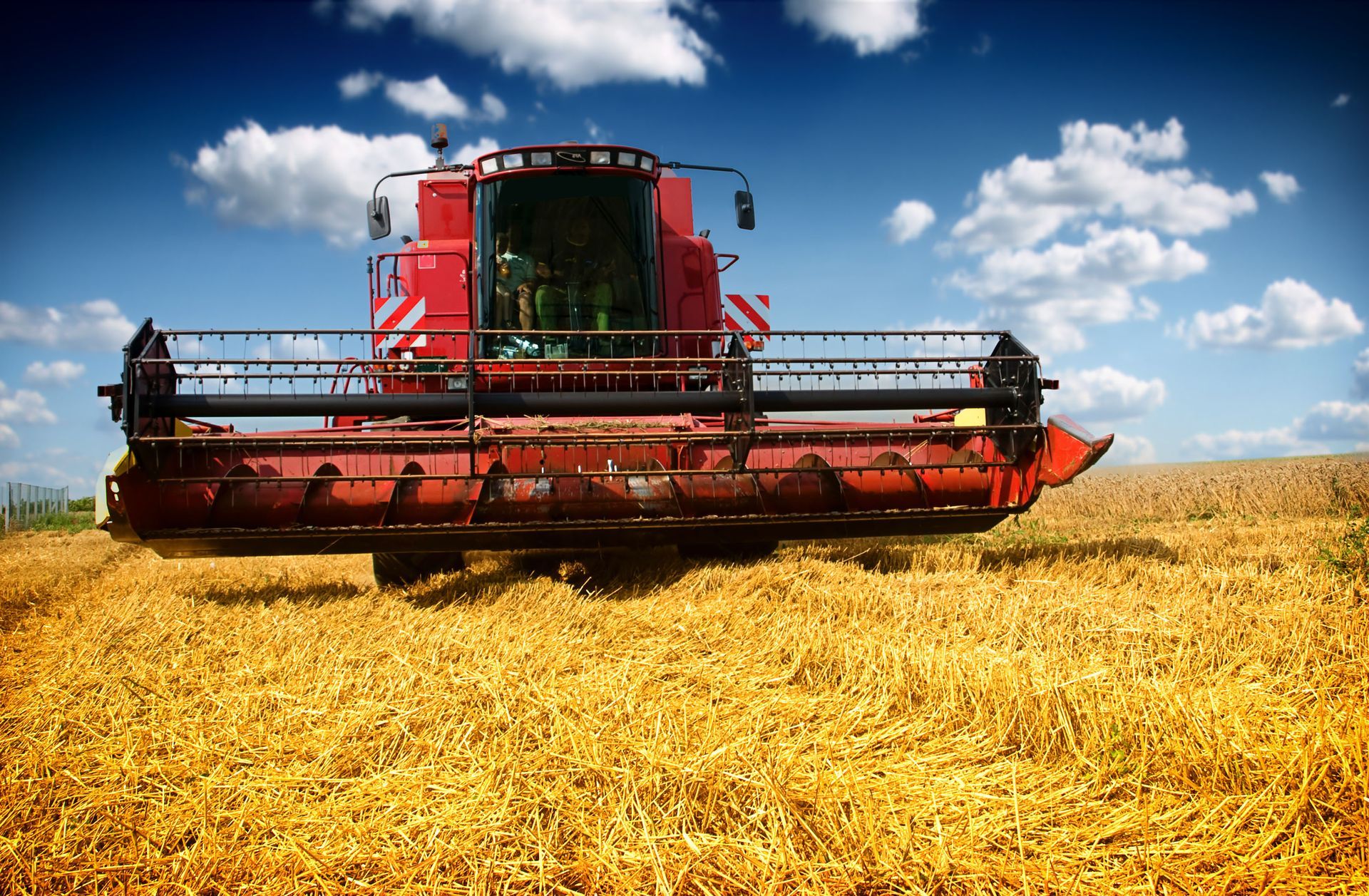
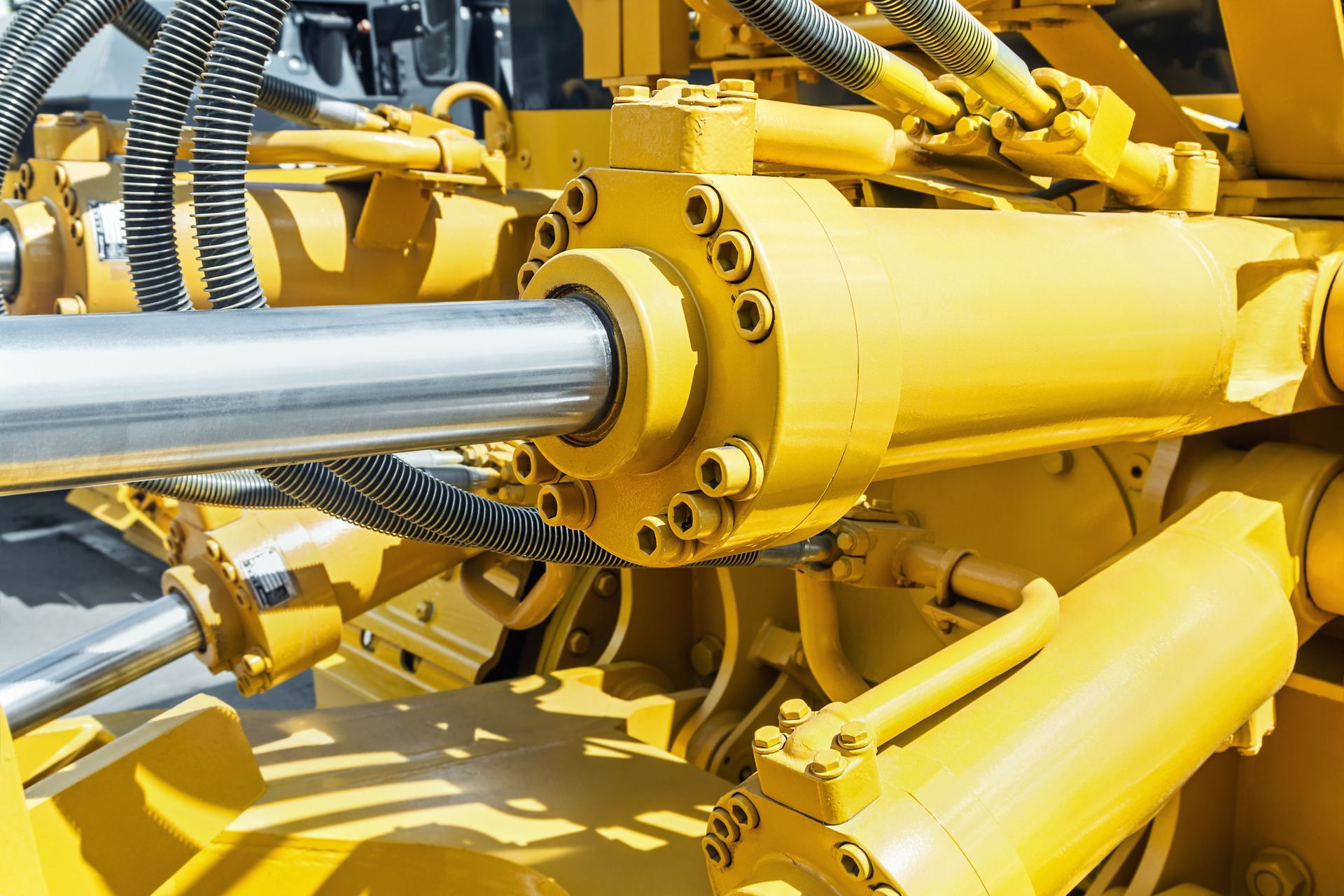
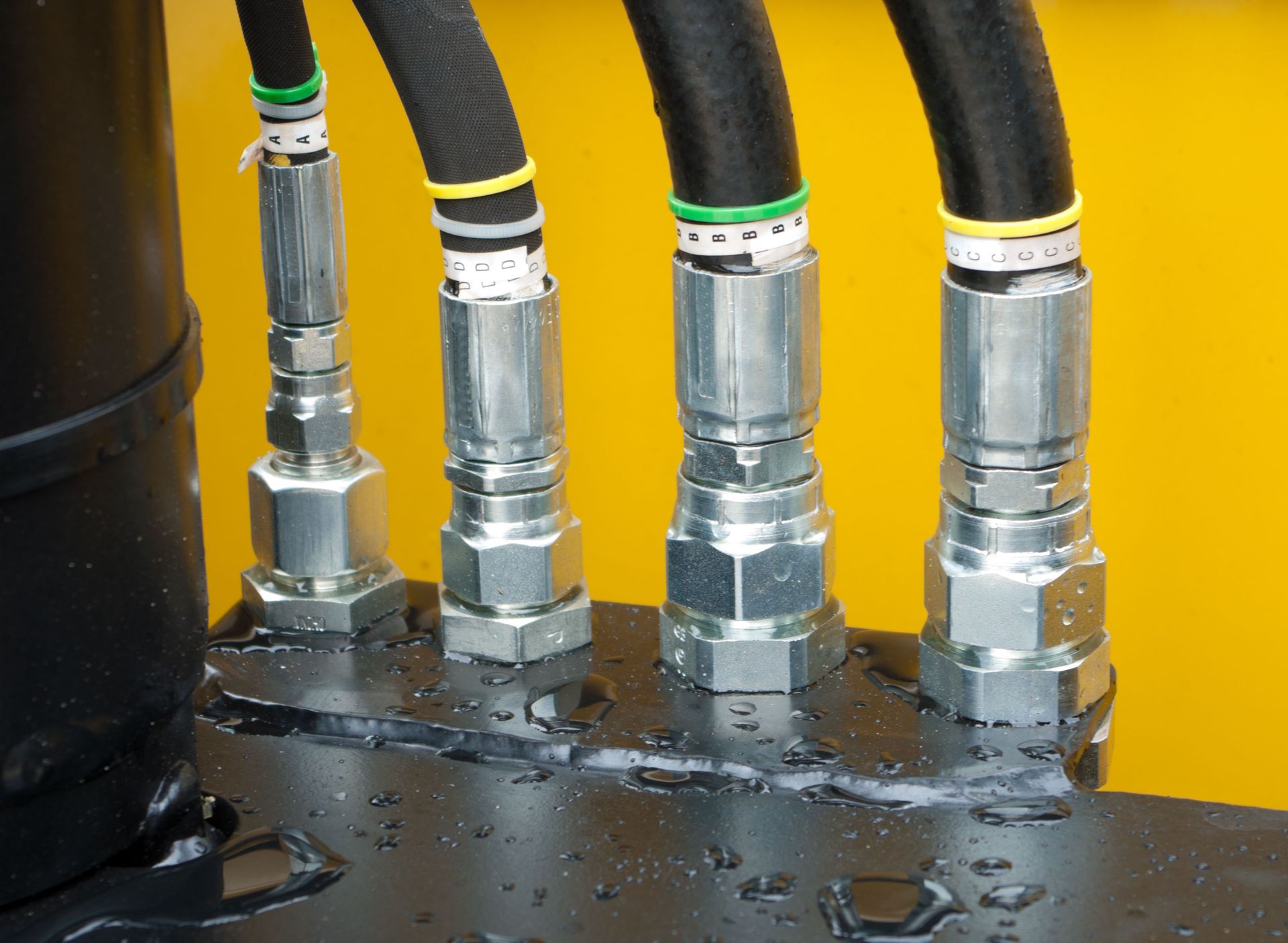
The efficient operation of farming equipment depends heavily on several key components. Firstly, tractor parts such as tires, hydraulic systems, and engines are indispensable. As tractors are the workhorse of most farms, ensuring that these fundamental parts are in optimal condition is vital. Regular check-ups and timely replacements of these parts can lead to more efficient plowing, planting, and harvesting tasks. In addition to tractors, combine harvesters require attention, with parts like concave sieves and augers frequently needing replacement to maintain optimal grain separation. The precision needed for planting equipment entails keeping seeding disks and fertilizers in prime condition to ensure crop uniformity. Drivetrain components such as belts and chains often experience high levels of stress, underscoring the need for regular inspection and replacement to avoid supply chain disruption. Well-maintained components not only boost productivity but also extend the machinery's operational life, contributing to long-term profitability.
Moreover, implements connected to tractors, such as plows, seeders, and balers, also require attention. Ensuring that parts such as tines, blades, and belts are maintained can prevent unexpected delays. These parts frequently undergo wear and tear due to their intensive use and hard-hitting tasks. Therefore, understanding which parts wear out faster and having a strategy for their timely replacement can enhance your farm's productivity. Regular wear analysis can help predict future maintenance needs, allowing for proactive part replacement scheduling. Embracing sensor technology can aid in monitoring real-time performance and alert farmers to pending maintenance. Equipping staff with proper training to identify potential part failures before they occur can lead to increased operational efficiency. Such preventive strategies lower repair costs and minimize downtime, ensuring farming schedules are adhered to seamlessly.
Assess Quality
Quality assessment is critical in selecting agricultural parts that will provide long-lasting service. Start by checking for ISO certifications or other quality management accreditations from suppliers. These certifications can provide assurance that the parts withstand rigorous testing and comply with international standards. Additionally, focusing on country-specific certifications can also guarantee that the parts are tailored to handle local agricultural conditions. Collaborating with colleagues in the agricultural community to share feedback on different parts can offer valuable insights. Investigating whether suppliers offer certified pre-owned parts can provide cost-effective solutions without compromising quality. Establishing long-term relationships with suppliers enhances trust and may lead to better negotiations over part replacements. This approach can also foster collaboration on future innovative solutions tailored to specific needs.
Another effective way to assess quality is customer reviews and warranty reviews. Feedback from other farmers can provide insights into the performance and durability of certain parts under similar conditions. Additionally, a robust warranty policy reflects the manufacturer's confidence in their product. Opt for parts that offer at least a one-year warranty, as this can reduce the financial risks associated with part failures. Examining the supplier's history and track record in the industry can further confirm their reliability. Consulting online agricultural forums can reveal practical knowledge about parts and suppliers that might not be evident in the specifications. Carefully reviewing the warranty terms can prevent future disappointment by revealing conditions that may void coverage. Thorough research and networking can lead to informed decisions that positively impact farm operations.
Connect With Reliable Suppliers
Connecting with reputable and reliable suppliers is a crucial step in sourcing quality agricultural parts. Local suppliers who are well-versed in regional farming practices and the specific demands of local crops can often provide tailored services. Building a relationship with these suppliers can also result in custom advice, preferential pricing, and priority service. Engaging with trade associations and agricultural expos can uncover new supplier opportunities and innovations. Expanding networks through industry events allows farmers to stay updated on trends and emerging technologies. Collaborating with neighboring farms in joint purchasing agreements can enhance negotiating power and lead to cost savings. Establishing such alliances not only helps in cost management but also fosters community solidarity and shared knowledge.
Additionally, consider connecting with global suppliers through online platforms. Trusted names in the industry often have a vast collection of parts, offering more choices and potentially better pricing. However, ensure that these suppliers are verified by looking for reviews and testimonials from other purchasers. The globalization of supply chains can often mean quicker access to hard-to-find parts, especially during peak times when demand is on the rise. Online platforms often feature user-friendly interfaces allowing for easy order tracking and fulfillment. A robust logistics network can ensure timely delivery, minimizing downtime and operational delays. Partnering with suppliers who offer digital inventories and real-time availability statuses can aid in efficient procurement planning. Such partnerships can streamline operations and afford flexibility in adapting to market dynamics.
Implement Effective Maintenance
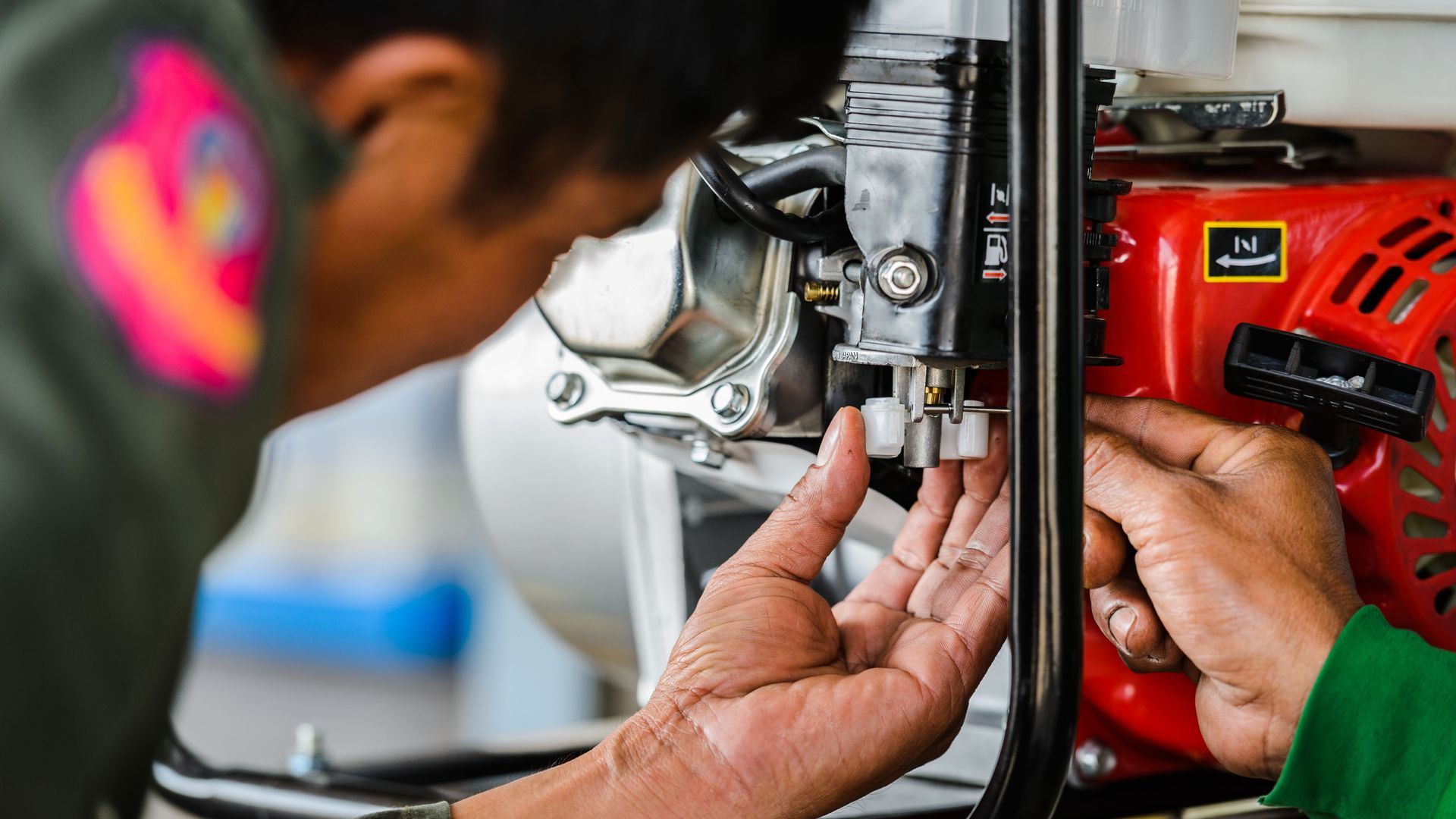
Maintaining agricultural parts is essential to extending their lifespan and ensuring consistent performance. Regular maintenance tasks such as cleaning, lubricating moving parts, and tightening connections can prevent wear and operational inefficiencies. Implement a systematic schedule that aligns with your farm's operational calendar to conduct these routine checks. Encouraging staff to adopt a proactive maintenance mindset fosters accountability and can lead to improved machinery care. Advanced diagnostic tools can identify issues before they result in extensive wear or breakdowns. Scheduling downtime specifically for maintenance avoids unexpected halts during critical farming seasons. Continuous improvement in maintenance techniques reflects a commitment to excellence and operational resilience.
Investment in high-quality maintenance products can also make a significant difference. Choose lubricants, cleaning agents, and sealants that are designed specifically for agricultural machinery. These products tend to enhance the durability of parts and reduce the likelihood of major repairs. Interestingly, according to the Agrievolution Association, low-horsepower tractor sales stood 28% below the five-year average, while high-horsepower equipment sales were 26% below the five-year average, indicating a broad slowdown that delays fleet renewal. This emphasizes the importance of maintaining existing equipment longer in an evolving market. Leveraging data collected from maintenance logs can highlight patterns and predict future needs, optimally allocating resources. Establishing comprehensive maintenance records aids in assessing lifecycle costs and justifying future capital investments.
Effective management of agricultural parts ensures machinery longevity and field productivity. By following these key steps, you can secure functional, durable, and cost-effective parts, ultimately leading your farm from mechanical breakdowns to successful bumper crops. Armed with greater knowledge on quality assessment, reliable suppliers, and part maintenance tips, farmers are better equipped to face the challenges of modern agriculture. Strategic planning in part procurement and management is pivotal in building a resilient farming operation. Engaging in continuous learning and adaptation to technological advancements can set innovative standards for farm management. Reach out to K & J Repair to learn more about our agricultural parts today.