July 24, 2026
Hydraulic systems power a significant portion of heavy equipment across construction, agriculture, and industrial settings, relying on hoses that must withstand tremendous pressure while remaining flexible enough to accommodate equipment movement. When these hoses begin to fail, the consequences can range from reduced equipment performance to complete operational shutdown, making it essential for equipment operators to recognize the warning signs that indicate hydraulic hose repair has become necessary. Catching these issues early not only prevents more significant equipment damage but also helps avoid the costly downtime that unexpected hydraulic failures can cause across various industries. This ongoing need for maintenance and repair reflects a substantial, active sector within the broader equipment service industry. According to IBISWorld, the machinery maintenance and heavy equipment repair services industry in the United States has a market size of $59.9 billion in 2025, illustrating just how significant this service category remains for businesses relying on heavy equipment for their daily operations. Below, we'll explore several key signs that indicate your equipment needs hydraulic hose repair.
Recognizing Visible Cracks or Abrasions
One of the most straightforward warning signs indicating a need for hydraulic hose repair involves visible cracks, abrasions, or general wear appearing along the hose's outer surface. This kind of visible deterioration often develops gradually through repeated flexing, friction against nearby components, or general exposure to environmental elements over time. Even seemingly minor surface damage can eventually progress to more serious hose failure if left unaddressed, since these weak points create vulnerable areas where the hose becomes increasingly susceptible to bursting under normal operating pressure. Regular visual inspection of hydraulic hoses, particularly in areas prone to rubbing or contact with other equipment components, helps catch this kind of damage before it develops into a more serious operational failure. Addressing visible wear promptly through professional hydraulic hose repair helps prevent the more significant complications that can result from continued equipment operation with compromised hoses.
Identifying Fluid Leaks Around Fittings
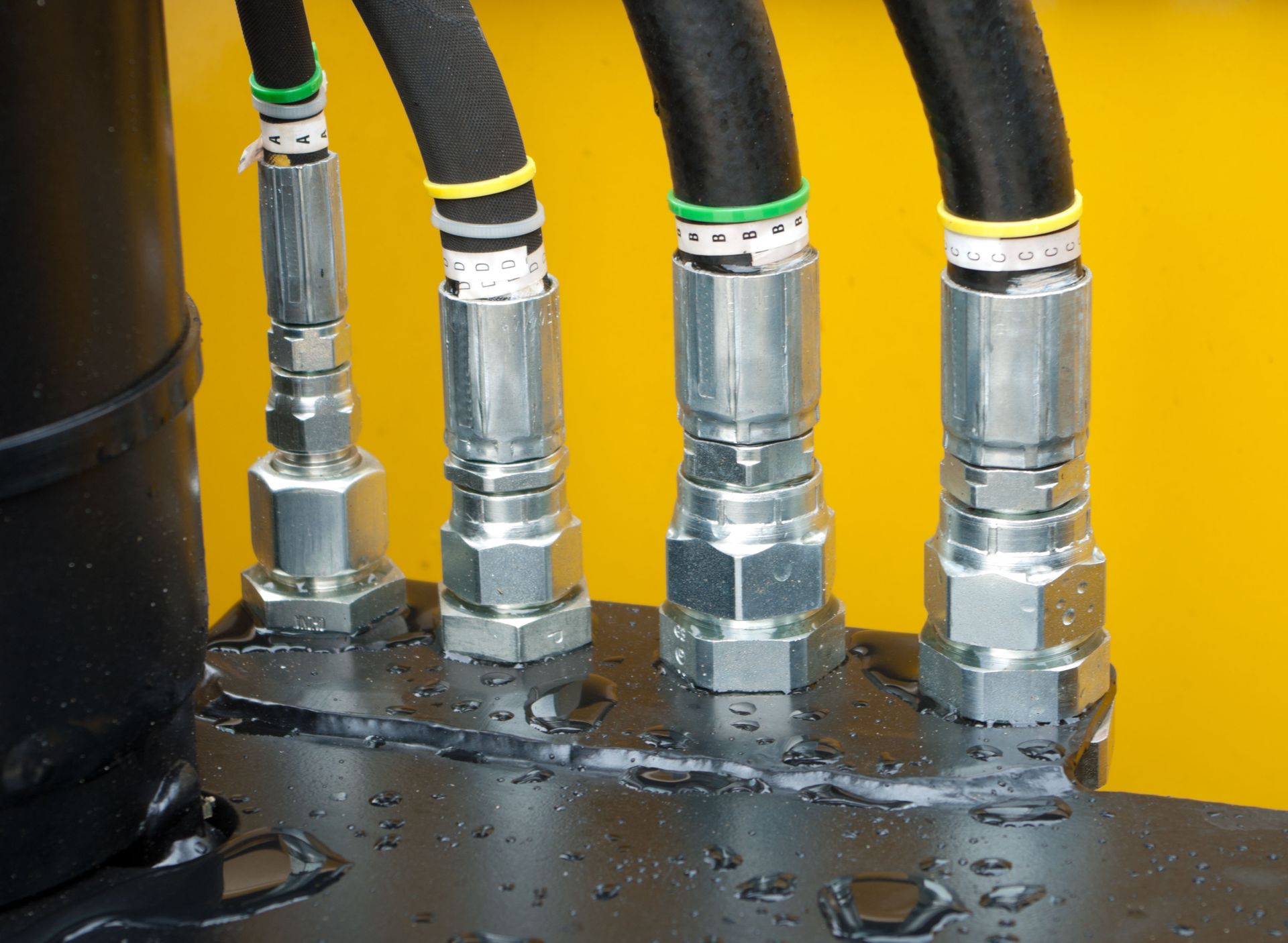
Visible fluid leaks around hose fittings or connection points represent another clear indication that hydraulic hose repair has likely become necessary, since these leaks often signal deteriorating seals or improperly seated connections. Even relatively small leaks can indicate a developing problem that will likely worsen over time, potentially leading to more significant fluid loss and reduced hydraulic system performance if left unaddressed. These leaks can also create safety hazards, particularly given how hydraulic fluid under pressure can cause serious injury if it contacts skin during a more significant failure. Regularly checking for fluid accumulation around hose connections, along with monitoring for unexpected drops in hydraulic fluid levels, helps identify this issue before it progresses into a more serious equipment problem. Addressing these fitting-related leaks promptly through professional repair helps maintain both equipment performance and operator safety.
Noticing Reduced Equipment Performance
A noticeable decline in equipment performance, such as slower cylinder movement, reduced lifting capacity, or general sluggishness in hydraulic-powered functions, often indicates an underlying hose issue affecting proper fluid flow and pressure throughout the system. This performance decline can stem from various hose-related problems, including internal blockages, kinking, or gradual deterioration that restricts proper fluid movement even without an obvious external leak. Operators who work with specific equipment regularly often notice these subtle performance changes before they become severe enough to cause complete failure, making this operator familiarity valuable for early problem detection. Recognizing this connection between declining performance and potential hydraulic hose issues helps prompt timely professional evaluation before the problem worsens significantly. Addressing this kind of performance decline through prompt hydraulic hose repair helps restore proper equipment functionality while preventing more extensive system damage.
Detecting Unusual Noises During Operation
Hydraulic systems experiencing hose-related issues sometimes produce unusual noises during operation, including whining, knocking, or hissing sounds that indicate abnormal fluid flow or pressure irregularities within the system. These sounds often develop as hoses begin to deteriorate internally, even before external damage becomes visible, making auditory changes an important early warning sign for equipment operators to recognize. Ignoring these unusual noises can allow underlying hose problems to worsen significantly, potentially leading to more serious equipment damage or complete hydraulic system failure if left unaddressed. Equipment operators familiar with their specific machinery's normal operating sounds are often best positioned to notice these subtle changes before they escalate into more obvious problems. Investigating these unusual sounds promptly through professional inspection helps identify whether hydraulic hose repair has become necessary before more significant equipment damage occurs.
Observing Hose Bulging or Swelling
Visible bulging or swelling along a hydraulic hose's length represents a serious warning sign indicating internal damage that significantly increases the risk of sudden, potentially dangerous hose failure. This swelling typically occurs when the hose's internal reinforcement layers have become compromised, weakening the hose's ability to safely contain hydraulic fluid under normal operating pressure. Unlike gradual wear that might develop slowly over time, bulging hoses often indicate a more urgent situation requiring immediate attention, since these compromised sections can fail suddenly and without warning during continued operation. Equipment operators noticing any visible bulging should discontinue use of the affected equipment immediately, seeking prompt professional hydraulic hose repair before returning the machine to service. Recognizing this particular warning sign as requiring urgent attention helps prevent the potentially dangerous consequences of sudden hose failure during operation.
Recognizing Signs of Hose Aging and Deterioration
Hydraulic hoses naturally deteriorate over time due to age, repeated pressure cycling, and environmental exposure, even without any specific external damage causing this gradual wear. Signs of this natural aging process include hardening or stiffening of the hose material, fading or discoloration, and general loss of the flexibility that hoses need to properly accommodate equipment movement during operation. Equipment operators should factor hose age into their maintenance planning, recognizing that even hoses without obvious visible damage may still benefit from proactive replacement as they approach the end of their expected functional lifespan. Working with a knowledgeable provider to understand typical hose lifespan expectations for your specific equipment helps inform more effective preventive maintenance scheduling. This attention to natural aging represents an important consideration alongside monitoring for more obvious signs of damage or performance decline requiring hydraulic hose repair.
Understanding the Value of Professional Inspection
While equipment operators can identify many warning signs through regular visual inspection and attentiveness to performance changes, professional evaluation provides more comprehensive assessment capabilities that help catch issues that might not be immediately obvious during routine operation. Experienced technicians understand how to properly assess hose condition, pressure ratings, and overall system compatibility, providing more thorough evaluation than most equipment operators can achieve independently. This professional expertise becomes particularly valuable for identifying internal damage or wear that isn't visible through external inspection alone, helping catch potential problems before they progress into more serious operational failures. Establishing a relationship with a trusted provider for regular hydraulic system inspection helps ensure comprehensive, professional oversight of this critical equipment component. This professional evaluation represents an important complement to operator vigilance, providing more thorough assessment capabilities for maintaining hydraulic system reliability.
At K & J Repair, we understand how critical properly functioning hydraulic systems are to your equipment's overall performance and reliability, and we're committed to providing thorough, professional hydraulic hose repair whenever you need it. Our experienced team brings the technical knowledge necessary to accurately diagnose hose issues, whether through visible damage, performance decline, or other warning signs discussed throughout this article. We believe that prompt, professional attention to hydraulic system issues helps protect your equipment investment while minimizing costly downtime for your operations. Whether you're noticing early warning signs or dealing with an urgent equipment issue, our knowledgeable team is here to help. If you're in need of professional
hydraulic hose repair, contact K & J Repair today to schedule your service.