January 19, 2026
Proper upkeep of agricultural machinery is essential for maintaining smooth and efficient farm operations. Regular preventive maintenance and timely repairs help avoid costly breakdowns, reduce downtime, and ensure that equipment performs reliably during critical farming periods. This article outlines the key steps every farmer should take to care for their machinery effectively. By prioritizing preventive measures, farmers can enhance the longevity, efficiency, and overall productivity of their equipment, ultimately supporting a more profitable and resilient farming operation. Creating a structured agricultural machine repair and maintenance schedule can help farmers stay organized and ensure no essential tasks are overlooked.
Maintain Engine Health
The engine is the heart of any piece of machinery, making its health pivotal for overall performance. Routine agricultural machine repair and maintenance ensure that it runs efficiently, checking for issues such as improper combustion, overheating, or leaks. Maintaining oil levels, cleaning filters, and inspecting seals are vital practices to sustain engine health. These steps prevent engine failure, safeguarding against costly downtime. Keeping detailed records of engine maintenance can help detect patterns and anticipate future issues before they escalate.
Regular diagnostics can identify warning signals that may not be evident during daily operations. Early detection allows for timely interventions, mitigating risks of major engine repairs. Advanced diagnostic tools facilitate detailed analysis of engine components, streamlining maintenance efforts. Investing in proper engine care guarantees longevity and reliability in operations. Incorporating manufacturer-recommended service intervals ensures that your engine continues to perform at peak efficiency.
Given the technological advancements and the increased number of machinery manufacturing enterprises, awareness of engine maintenance has grown. According to Statista, the global agricultural machinery manufacturing sector is expected to encompass approximately 51,000 enterprises by 2025, highlighting the rapid expansion and availability of new machinery options. These advancements provide farmers with improved tools for maintaining their equipment’s engines. Staying informed on emerging maintenance technologies ensures farmers can leverage these advancements appropriately. A focus on engine health translates to greater operational success and reduced interruption risks.
Check and Maintain Hydraulic Systems
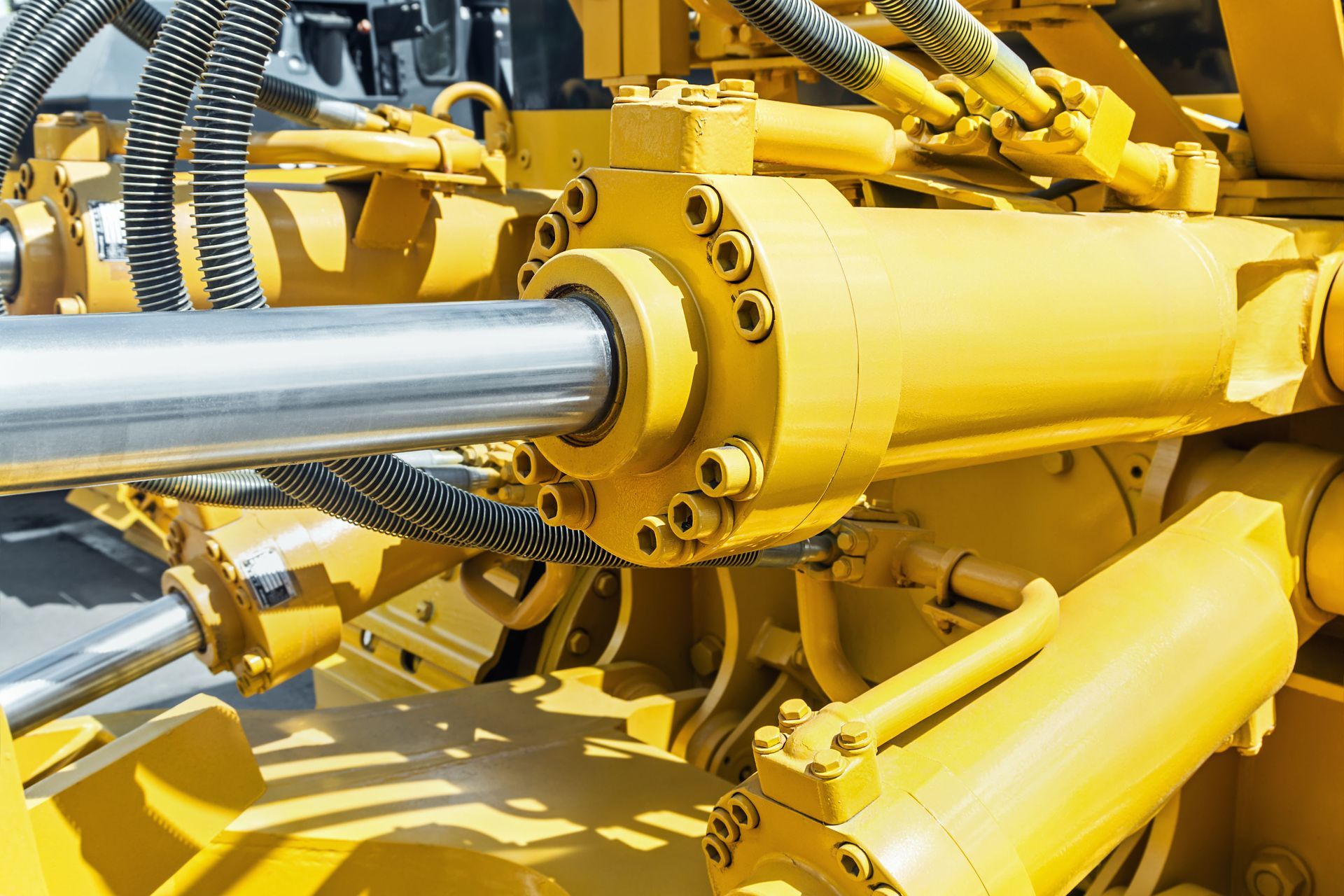
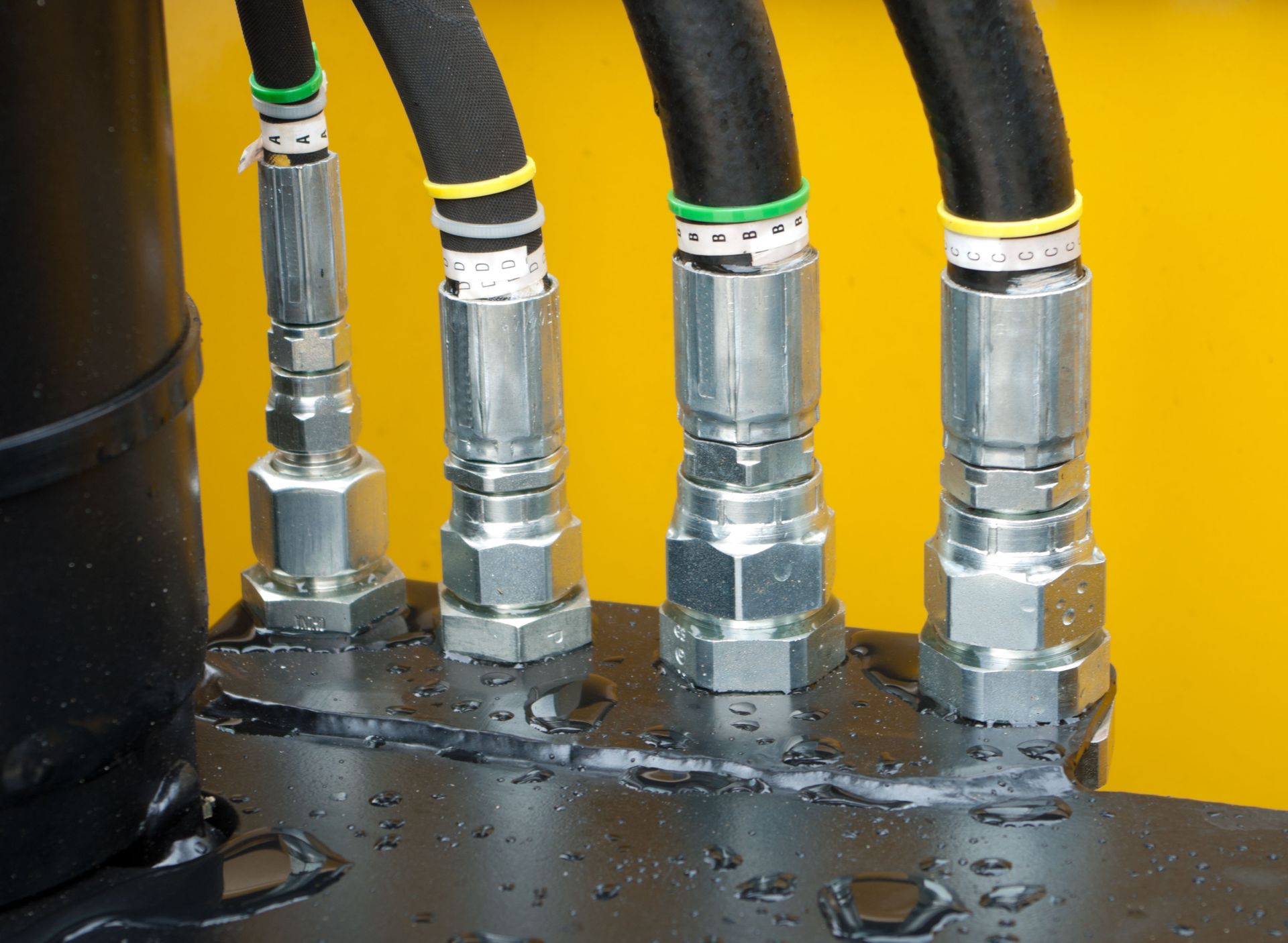
The hydraulic system plays an essential role in operating various machinery functions, requiring meticulous attention during maintenance. Regular checks for fluid levels and quality prevent performance degradation and system failures. Inspecting hoses and connectors for signs of wear and tear, leaks, or blockages helps maintain seamless hydraulic operations. By addressing such issues early, farmers can prevent potential breakdowns that impact productivity. Flushing and replacing hydraulic fluid at recommended intervals further protects the system from internal damage.
Hydraulic systems are intricate, requiring a clear understanding of the specific machinery to conduct effective maintenance. Manufacturers often release updates or changes in maintenance procedures that should be acknowledged and adopted. Consistent adherence to these guidelines ensures that any modifications in system design are properly managed. In turn, this optimizes hydraulic efficiency and enhances reliability. Keeping spare hoses and fittings on hand can reduce downtime in case of unexpected leaks or failures.
As the agricultural machinery industry evolves, new hydraulic technologies provide more advanced functionalities to farmers. Understanding these innovations facilitates appropriate maintenance approaches, enhancing systemic lifespan. By leveraging these technologies correctly, farmers ensure maximum return on their machinery investments. Proper hydraulic maintenance underpins key agricultural tasks, supporting a productive farm operation. Documenting system inspections helps identify recurring issues and supports long-term maintenance planning.
Inspect Belts, Hoses, and Filters
The condition of belts, hoses, and filters directly affects a machine's overall efficiency and reliability. Belts require regular tension adjustments to prevent slippage and subsequent machinery inefficiencies. Hoses should be routinely inspected for cracks or leaks, ensuring unimpeded fluid transfer and function. Timely replacement of filters avoids clogs, thus enhancing machinery performance and preventing potential damage. Using high-quality replacement parts ensures longevity and reduces the risk of premature wear.
Without consistent checks, these seemingly minor components can lead to major machine failures. Their agricultural machine repair and maintenance involve simple visual inspections and part replacements, yielding significant performance returns. Following manufacturer recommendations on replacement intervals ensures components function as intended. This proactive care extends machine life and maintains uninterrupted operation seamlessly. Scheduling these inspections at the same time as major service intervals saves time and keeps maintenance consistent.
As agricultural equipment continues to grow in complexity, implementing structured agricultural machine repair and maintenance for these components becomes necessary. Technological integration offers tools for more accurate and timely component inspections. Embracing these advancements helps maintain machinery integrity over its lifecycle. Accurate and routine check-ups ensure that small parts do not become major tasks, preserving the productivity of the farm. Training operators to spot early signs of wear can prevent small issues from escalating into costly repairs.
Maintain Electrical Systems and Battery Health
Electrical systems and battery health require particular attention in maintenance routines, as malfunctioning components can cause significant slowdowns. Ensuring battery terminals are clean and connections are firm prevents loss of power or misfires. Regular checks of wiring for signs of wear or damage maintain operational safety. This agricultural machine repair and maintenance ensures consistent machinery electrification, supporting critical functions effectively. Protecting wiring from rodents and external damage also safeguards electrical integrity.
Batteries should be tested routinely to confirm appropriate charge levels, and older batteries should be replaced as needed. Keeping the electrical system insulated from moisture and corrosive elements extends its lifespan greatly. These practices minimize risks associated with electrical failures, ensuring smoother and more reliable operations. Awareness of key maintenance techniques guarantees effective battery and electrical system management. Installing surge protectors or fuses can further prevent damage from electrical spikes.
The increased innovation in electrical systems within agricultural machinery ensures efficient power distribution. With future projections for enterprise growth in the machinery manufacturing sector, staying updated with electrical system advancements is important. Knowledge of these technologies allows for proper agricultural machine repair and maintenance and system upgrades. Effective management of electrical components directly enhances machinery capabilities and operational certainty. Regularly reviewing wiring schematics and maintenance logs helps prevent mistakes during repairs or upgrades.
Calibrate Instrumentation and Control Systems
The precision of instrumentation and control systems determines the quality of farming operations. Regular calibration ensures that sensors and gauges deliver accurate readings, maintaining command over processes. Minor adjustments can prevent significant deviations in performance that affect productivity. Consistency in agricultural machine repair and maintenance reinforces trust in instrumentation accuracy, fostering optimal usage and decision-making. Maintaining calibration records allows for trend analysis and quicker troubleshooting when discrepancies arise.
Technology's role in precise farm management lies heavily on reliable instrumentation, thus necessitating rigorous agricultural machine repair and maintenance schedules. Adhering to standard calibration protocols enhances system reliability and efficiency over time. This proactive approach assists in addressing minor operational challenges before they result in broader production issues. As such, routine calibration secures steady and efficient operations on the farm. Regularly updating software and firmware on digital instruments also supports accuracy and system reliability.
The continual evolution of instrumentation technologies demands familiarity with emerging calibration practices. With industry expansion, agricultural machinery instruments are increasingly sophisticated, offering advanced features. Farmers must be well-versed in these functionalities to execute proper calibration efforts. Instrumental accuracy sustains high-quality outputs, ensuring successful farm management and operational readiness. Attending workshops or consulting manufacturer guidelines can help farmers keep up with new calibration techniques.
Consistent agricultural machine repair and maintenance are fundamental to the long-term success of any farm. Focusing on vital systems such as engines, hydraulics, belts, filters, electrical components, and instrumentation ensures machinery runs smoothly and efficiently. Staying informed about emerging technologies and adhering to manufacturer recommendations allows farmers to maximize equipment lifespan while minimizing unexpected downtime. By taking a proactive approach to maintenance, farmers not only improve operational efficiency but also protect their investments, safeguard productivity, and foster a sustainable, profitable agricultural enterprise. Embracing these strategies ensures farms are well-prepared to meet both present and future challenges. Developing a detailed, routine maintenance checklist can help farmers systematically track all necessary tasks, enhancing both efficiency and reliability on the farm. Reach out to K & J Repair to learn more today.